
 Search






Guiding our work
Accessibility Commitments
We believe the people most affected by our decisions should help shape them. By co-designing with people with disabilities at every stage, we create more inclusive programs, services, and experiences.

Accessibility Resources
Read the resources and policies guiding accessibility at Disability Can.

Accessibility Policy

Multi-Year Accessibility Plan

Website Accessibility Statement

Employment Accommodation Policy

Accessible Customer Service Policy

Accessibility for Ontarians with Disabilities Act (AODA)

Accessibility for Manitobans Act (AMA)
Website Accessibility Statement
Disability Can wants everyone to be able to access our information and use our website, including people with disabilities and people who use assistive technologies.
We also recognize that accessibility is an ongoing process. We will continue to identify barriers, learn from people with disabilities and improve the accessibility of our website over time.
Disability Can is committed to making our website accessible to everyone, including people with disabilities. We aim to meet the Web Content Accessibility Guidelines (WCAG) 2.2 Level AA. We also recognize that meeting a technical standard does not necessarily mean that everyone will have an accessible experience.
We review and test our website for accessibility. Our approach includes automated and manual testing, testing with assistive technologies, and feedback from people with disabilities.
We will continue to monitor accessibility as website content and features change.
We want to be open about accessibility barriers. We are reviewing our website and documents to identify barriers, including the one below. If we identify more barriers, we will list known barriers here and explain what we are doing to address them.
- Some documents may need to be updated or provided in a more accessible format.
We are working to:
- identify and remove accessibility barriers;
- improve the accessibility of documents and website content;
- build accessibility into the design and development of new or updated website content and features; and
- learn from people with disabilities about their experiences using our website.
If you experience a barrier while using the Disability Can website, please tell us.
You can also use this form to contact us if you need information an alternate format or need support accessing information on our website.
Your feedback helps us identify barriers and improve the accessibility of our website.
This accessibility statement was last updated in November 2026.
About Disability
What Is Disability
More than eight million people in Canada identify as having a disability. They’re leaders, creators, workers, students, parents, advocates, and community members.

Featured Video
The Disability Tax Credit needs fewer barriers
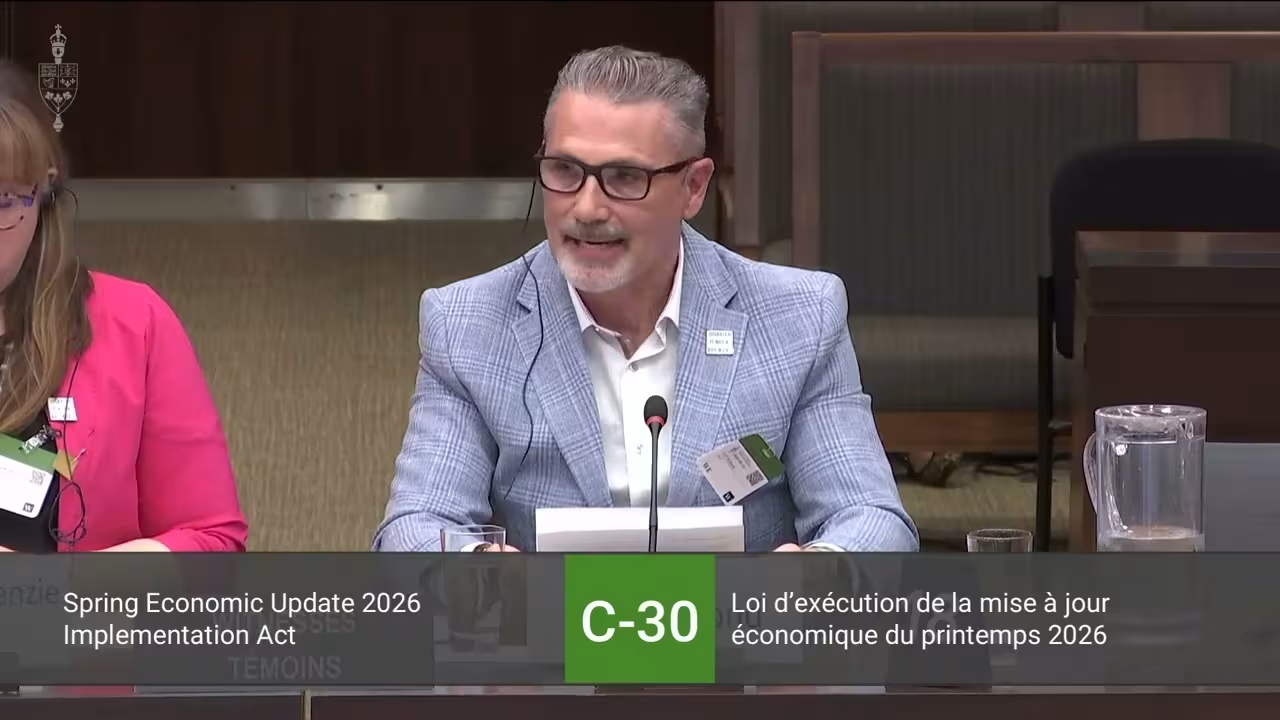
In this 6-minute video: For too long, the Disability Tax Credit has been more of a burden than a benefit to people with disabilities in Canada. Disability Can’s Chief Accessibility Officer Jeff Willbond and Director of Public Affairs, Advocacy, and Strategic Communications Amanda MacKenzie appeared at the House of Commons finance committee to share our views on the best ways to eliminate these barriers.
Form
Share feedback
We welcome feedback from employees, volunteers, students, service users, and the public on the accessibility of our programs and services. Your input helps us identify barriers, improve our services, and strengthen our approach to accessibility and disability inclusion. Together, we can remove barriers and create opportunities for everyone.
You can share feedback about:

Accessibility barriers you have experienced with our programs or services.

Positive examples of accessible and inclusive practices at Disability Can.