Search



Celebrating 75 years of service
For more than 75 years, Disability Can (formerly March of Dimes Canada) has worked alongside people with disabilities to support independence and community participation. What began as a national response to the polio epidemic has evolved into one of Canada’s most trusted disability service organizations. You can grow this legacy by helping us to remove barriers and expand access to support people with disabilities rely on every day.
Where we started
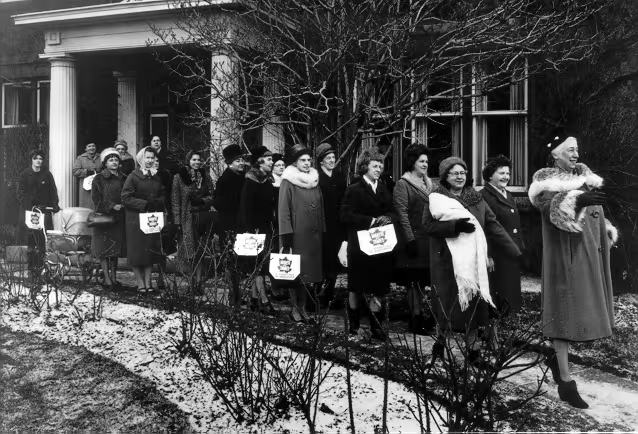
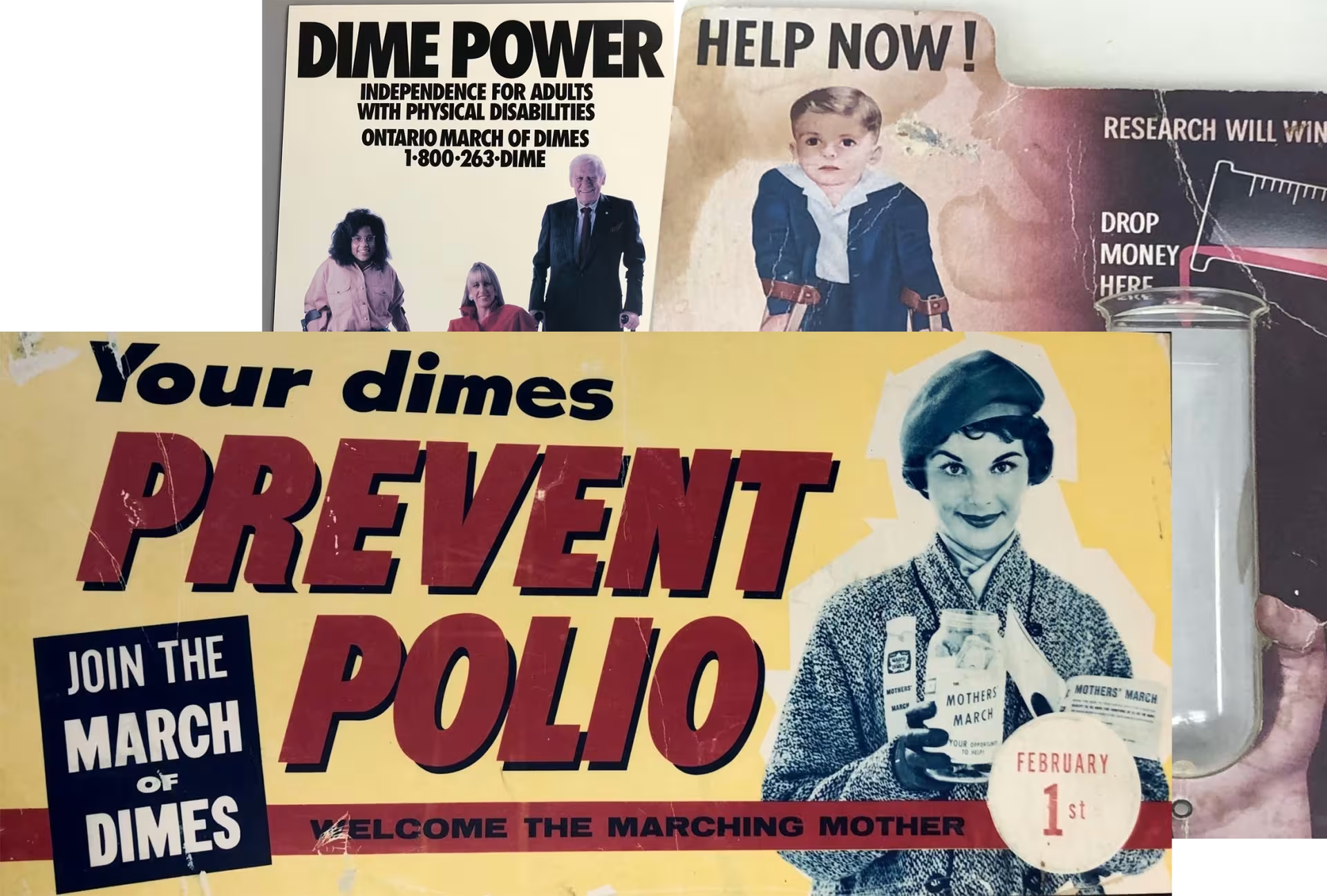
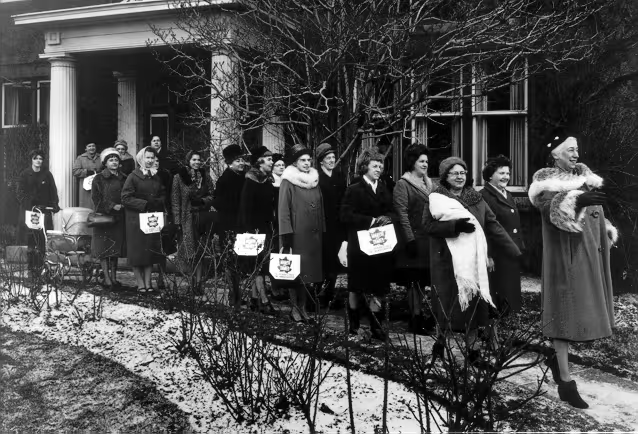
Disability Can began as a volunteer-driven movement. In the late 1940s, during the polio epidemic, mothers across Canada marched door to door collecting dimes to fund a cure. These grassroots volunteers became known as the Marching Mothers. Their efforts rallied communities nationwide and laid the groundwork for formal organization.
The values of the Marching Mothers movement characterized our early identity and shaped who we are today.
Over time, our work evolved alongside people with disabilities who were creating new possibilities for independent living, supportive housing, brain injury programs, employment pathways, and so much more.
We embraced the disability rights movement in Canada by partnering with governments, health care providers, employers, and community groups to raise expectations and advocate for accessible, inclusive, and responsive support that meets the needs and respects the dignity of people with disabilities.
Together, we’ve built an organization we’re proud to support.
Thank you to our staff, volunteers, donors, and partners whose generosity, commitment, and passion have made us who we are today.
And thank you to people with disabilities, families, caregivers, and our community for your trust and for working alongside us over the past 75 years.
Highlights from 75 years of service

We got our start in 1951. Born out of the race to end polio, we raised millions of dollars for vaccine research and to support people who contracted the virus. Our official name was the Canadian Foundation for Poliomyelitis, but we were more broadly known as the Ontario March of Dimes. Women committed to putting their skills, energy, and knowledge into public life marched door-to-door collecting dimes in support of this important work.

By the early 1960s, the Salk vaccine had pulled off the remarkable by virtually eliminating the spread of polio in Canada. But we recognized people with disabilities — many of them polio survivors — were navigating daily life with almost no support and few places to turn. The Rehabilitation Foundation for the Disabled was born out of this need. Alongside people with disabilities, we built programs in rehabilitation, vocational training, assistive devices, employment, and attendant care. We got bigger together. These programs are the foundation of our organization and make up the bulk of the services we still deliver today.

We officially became the Ontario March of Dimes in 1972. We chose a name people already knew and loved and dedicated ourselves to advancing the interests of people with disabilities. We proved this commitment seven years later when we helped organize the Coalition on Human Rights for the Handicapped to oppose legislation that would have excluded people with disabilities from Ontario’s Human Rights Code. Together, we built a community and championed disability.

We launched our Post-Polio Program in 1982, offering care to people experiencing long-lasting effects of the virus. This was the foundation of our Peer Support Network and the earliest example of our cross-Canada commitment to people with disabilities. We also embraced independent living, community participation, and integrated employment opportunities as core features of our mission. Because we knew then, like we know now, that everyone wins when people with disabilities lead independent lives with dignity and autonomy.

We made an organization-defining decision to invest in programming for people with acquired brain injuries. We launched a full suite of services for people who survived strokes, accidents, and illness resulting in brain injuries and those who needed community-led support based on living experience to rebuild their lives and restore confidence. We also launched our Home and Vehicle Modification Program in partnership with the government of Ontario.

This is the decade we became a truly national organization: in both scope and name. In 2002, we transformed our decades old Post-Polio Program into Polio Canada, marking a major milestone in our organization’s history while honouring our commitment to polio survivors, families, and caregivers. We also launched Stroke Recovery Canada in 2005 — the predecessor of our After Stroke program — and rebranded as Disability Can in 2006.

After more than six decades of delivering services alongside people with disabilities across Canada, we recommitted ourselves to working with our disability community partners to advance and advocate for groundbreaking legislation, including the Accessible Canada Act. We also broadened our child and youth programming, while simultaneously expanding services and support for seniors and older people with disabilities who want to lead independent lives with dignity in their own homes and communities.
Our brand and name
There’s so much to celebrate in our rich history. We’re proud of our achievements as March of Dimes Canada and the confidence and respect our name carries in the community.
However, with the evolution of our work, it became clear the name Disability Can no longer reflects the full scope of who we are or what we do, and people no longer recognize it the way they once did.
The transition to Disability Can reflects both our legacy and our future. This new name honours the work we do and the impact we have, while amplifying the voices and experiences of our community and inviting everyone in Canada to connect, understand, and contribute to a more inclusive society.
While our name has evolved, our purpose remains the same — working alongside people with disabilities to remove barriers and build a more equitable Canada.