
 Search




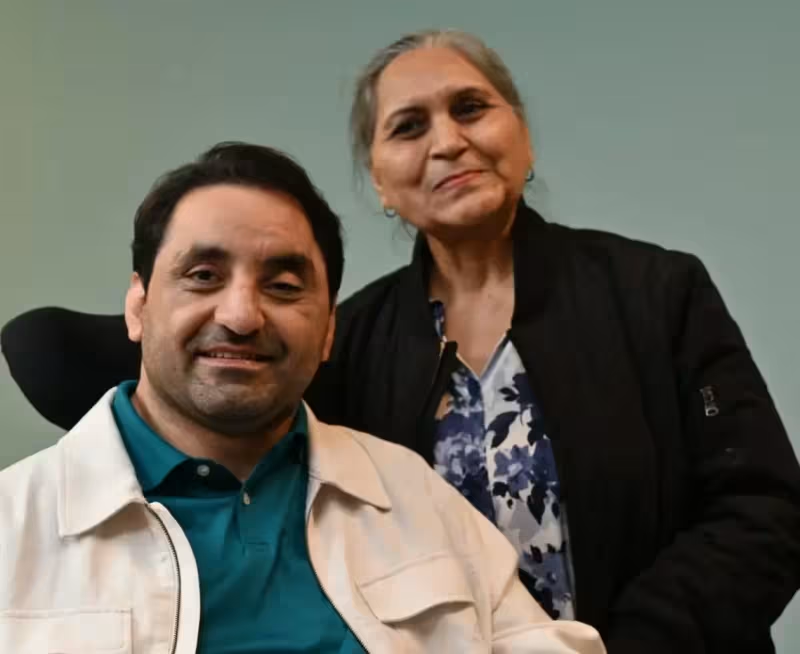



Getting support in an accessible and affordable home can make all the difference
Having an accessible home matters, but so does knowing support is available when you need it most. We offer attendant care services in supportive housing environments because we believe your home should be a foundation for your independence.
You’ll have 24/7 access to support services in housing options such as apartments and private rooms in shared living spaces. Our staff work alongside you to provide a range of supports based on your needs and the services available through our program. These may include personal care, meal preparation, medication assistance, and support with other daily living activities. Support is available on a scheduled or unscheduled basis within program limits, helping accommodate your routine and daily life.
With housing and support all in one place, you can spend more time and energy on the people you love, your interests, and your goals. It’s about having access to reliable care in a home that works for you and being part of a community that supports your independence.
What to expect
Here’s what to expect during the intake process.

Fill out the information request form as thoroughly as you can. If you’re unsure about anything, give us a call and we’ll help.

We’ll respond to your information request. Our intake process first involves the completion of an application form followed by an intake interview and a needs assessment to understand how best we can support you. We’ll also work with you to find services in your area that meet your needs.
*In certain parts of Ontario, you may be placed on a waitlist and contacted when there’s a spot available.

Together, we create a care plan and service contract that reflects your goals and outlines the supports you’ll receive.
Who can apply?
To be eligible for this program, you must
-
Image

Be 16 years of age or older.
-
Image
Have a permanent physical disability or functional limitation.
-
Image
Have support needs that require 24/7 access to service.
-
Image
Be able to self-direct care (i.e., be able to manage and communicate when and how assistance is needed).
Please note: Third-party and private pay options are also available for people who aren't eligible for the program or live outside of Ontario.
Frequently asked questions
The supportive housing/assisted living program provides individual and shared living options with 24/7 access to personal support services. Our staff help with tasks like bathing, dressing, cooking, toileting, mobility, and tracheostomy care. These services are available on a scheduled and on-call basis.
It depends. In general, all tenancy agreements and associated expenses are established with the property owner. If the service is funded by Ontario Health, then there is no cost. However, there are fees if going through third-party funded services.
Please note third-party and private pay options are also available for people who aren't eligible for the program or live outside of Ontario.
In this context, it means that you’re able to guide your care and services. We work with you to identify your needs and schedule. You’re responsible for giving clear steps and working with our staff as a team.
Our attendant care services use a shared service model, meaning clients share available services and support staff. We build daily schedules based on your assessed needs and personalized care plan.
We view you as a partner in your care and work together to support your goals. Our team does its best to balance everyone’s needs and requests when creating schedules.
Still have questions?
Get support from our team. Whether you have a quick question about our program or need help figuring out where to start, reach out anytime. We’re here for you.



“They are giving these much good things.”
Yadwinder
Assisted Living/Supportive Housing Client

Disability Can’s Assisted Living/Supportive Housing Services are funded through Ontario Health and ISO 9001:2015 certified.
Disability Can Non-Profit Housing Corporation Charitable Registration No. 137176830.
Depending on eligibility and service location, government-funded services may not be available through Disability Can. We recognize that some people may have access through insurance, settlements, trusts, private funding, or other third-party sources. If this applies to you, please reach out to our team to discuss further.