
 Search


About the program
With the right support, you can move forward after a stroke
After a stroke, life may look very different. You may be looking for information, rehabilitation, or support to navigate changes or move forward. We understand each recovery journey is unique, which is why we created After Stroke.
We welcome you to be part of a community that understands your experience. Our staff will take the time to understand your needs, navigate the impact of change with you, and develop a personalized recovery plan that supports your goals. You can choose from a variety of programs — peer support, stroke education opportunities, exercise and movement classes, and more! We also offer support and resources for families and caregivers.
You don’t have to navigate this journey alone. Join us and discover a community dedicated to supporting you and your family.
After Stroke services
Explore our services to help support people after stroke.

Peer support groups

Educational programming

Exercise and movement
Stroke resources
Get stroke support
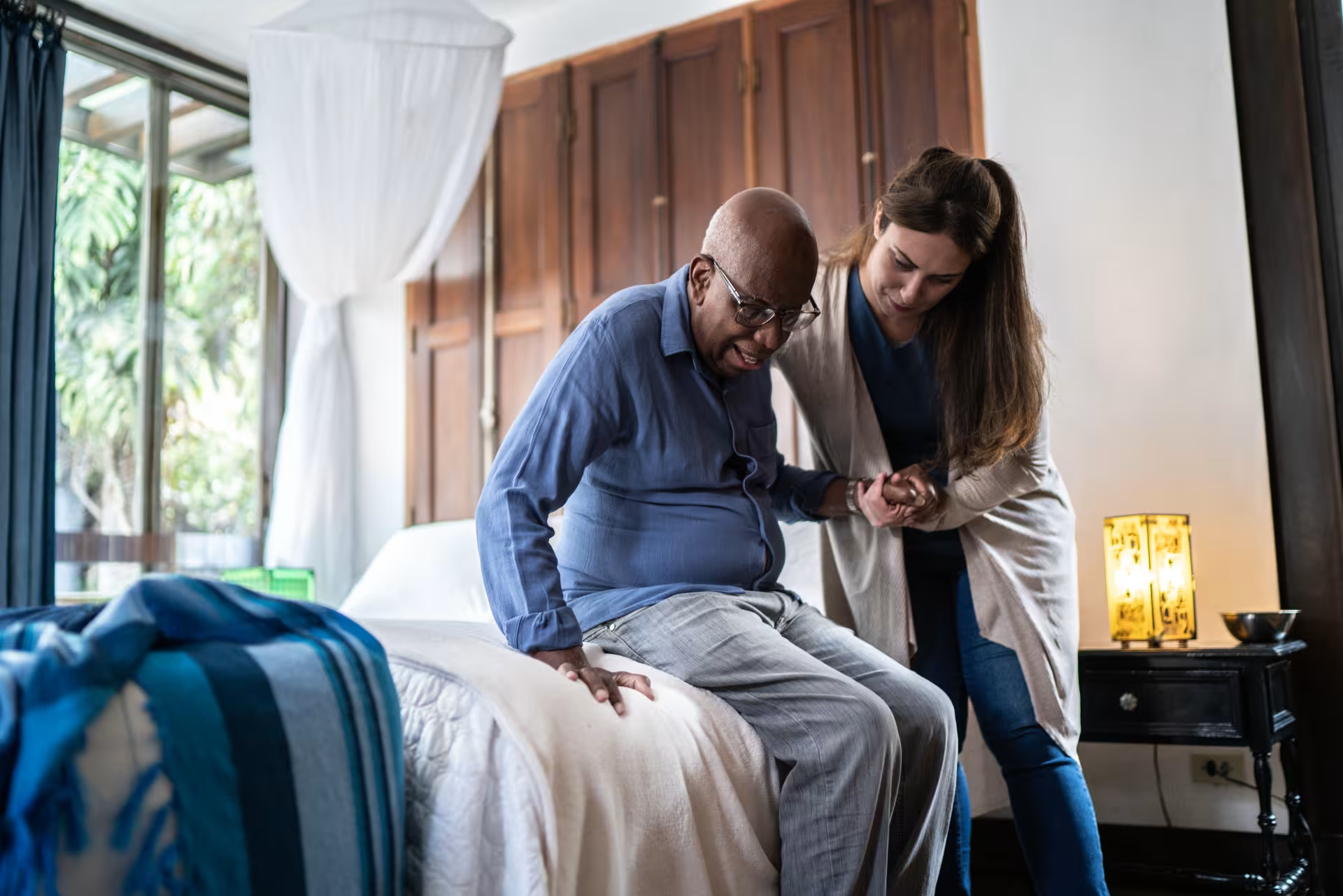
Our Community Stroke Navigators will listen and offer personalized guidance, emotional support, learning opportunities, resources and more to help you on your recovery journey. We’re here to help you find the programs and services that'll help you navigate the path forward after a stroke. Anyone can apply for support — you don’t need a doctor’s referral. Fill out our referral form to get started.
Services
Peer Support Groups
We offer many virtual programs designed to support your recovery journey. Here you can connect with others, increase your mobility, and explore learning opportunities.
Life after a brain injury or stroke can bring up complicated feelings. We know it can be hard to find people who understand your experience, which is why we created the Peer Support Group Network Directory.
Here, you can search for peer support groups across Canada that match your specific needs. You’ll have the opportunity to share your experiences, learn from others, and build meaningful connections in a safe and supportive environment. We welcome you to join the community and find hope and encouragement on your recovery journey.
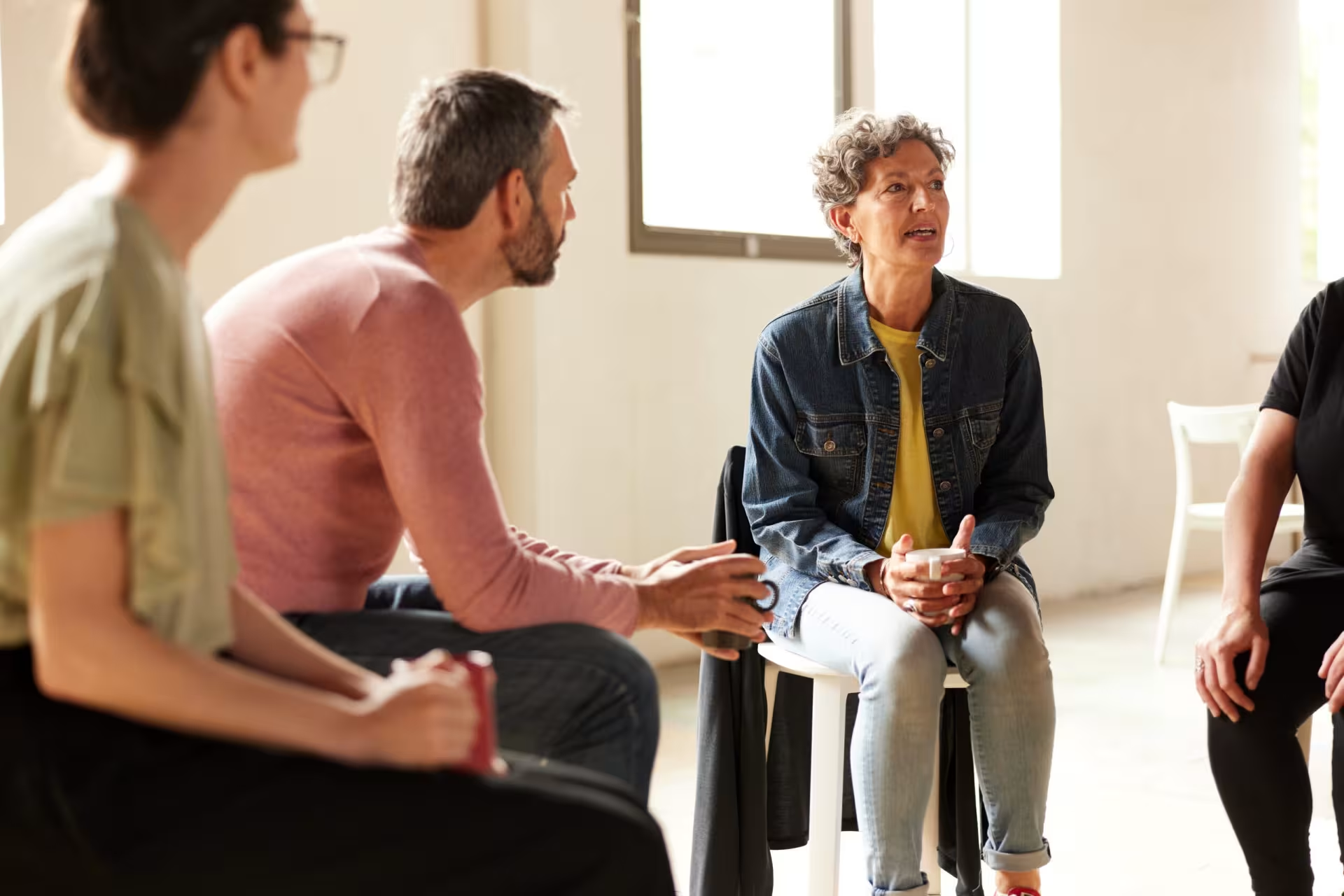
Our Stroke Community Conversations groups provide support, understanding, and encouragement for anyone impacted by stroke at any age. Through regular meetings, we offer a safe space to share experiences, discuss challenges, and celebrate milestones with others navigating a similar path. Discussions cover a wide range of topics based on the experiences and needs of participants present in each meeting. Together, participants of this group face the challenges of recovery and create a supportive community of strength and inspiration.
First and third Tuesday of each month
Last Wednesday of each month
Second and fourth Thursday of each month
This unique peer support group brings together people of all ages, who share the common experience of having had a stroke at a young age. Participants may benefit from emotional support, practical guidance, and valuable resources related to the unique challenges faced by young stroke survivors. This group provides participants with the opportunity to mutually benefit from intergenerational relationships, sharing of life experiences, and learning about resources that have proven to be helpful.
First Thursday of each month
Third Thursday of each month
As a young adult (18–40 years of age) who has experienced a stroke, you may have questions about navigating recovery while completing education, finding employment, managing relationships, or raising a young family. Maybe you want to talk about how you're feeling about potentially missing out on these life events. The Young Adults Living with Stroke group can offer you the opportunity to meet others who are recovering from stroke early in their adult lives and to share stories, discuss challenges, and celebrate successes. This group can offer you a sense of community and belonging as you move forward on your stroke recovery journey.
Second and fourth Wednesday of each month
Being a caregiver to a stroke survivor can be difficult and overwhelming, and speaking to other caregivers can often help. This group offers a safe and welcoming environment where you can connect with others to share experiences, offer advice, and receive emotional support. The group discusses coping strategies, shares resources, and fosters a sense of connection and resilience. The group comes together to navigate the challenges and celebrate the triumphs of caregiving together.
Second Tuesday of each month
Fourth Tuesday of each month
This group offers a safe and supportive space for life partners of stroke survivors to candidly discuss the day-to-day challenges and triumphs of sharing life with a loved one recovering from the effects of stroke. Participants can benefit from understanding, encouragement, resources, and practical strategies for navigating this unique experience. Together, we can build resilience, foster hope, and enhance our relationships as we support our partners on their recovery journey.
First and third Wednesday of each month
For organizers
Start a Peer Support Group
Stroke recovery isn’t linear. Many survivors find themselves feeling isolated, overwhelmed, and disconnected from others. Having a community that understands how you feel is one of the most powerful ways to build feelings of connection. However, many regions don’t have a local stroke support group.
Creating your own group can feel daunting, which is why we created the Peer Support Toolkit to help guide every step of the way. It’s a collection of resources — step-by-step instructions, templates, discussion prompts, flyers — to help you get started. You’ll learn how to create a welcoming space where stroke survivors, family members, and caregivers can connect for emotional support, advice, and friendship.
A toolkit with everything you need to run a local peer support group.
Services
Educational Programming
Deepen your knowledge of stroke and stroke recovery and build your confidence through guidance from trained professionals.
Proven management strategies for common issues like post-stroke fatigue
Practical skills and tools to support independent living
Crucial lifestyle habits to help prevent a secondary stroke
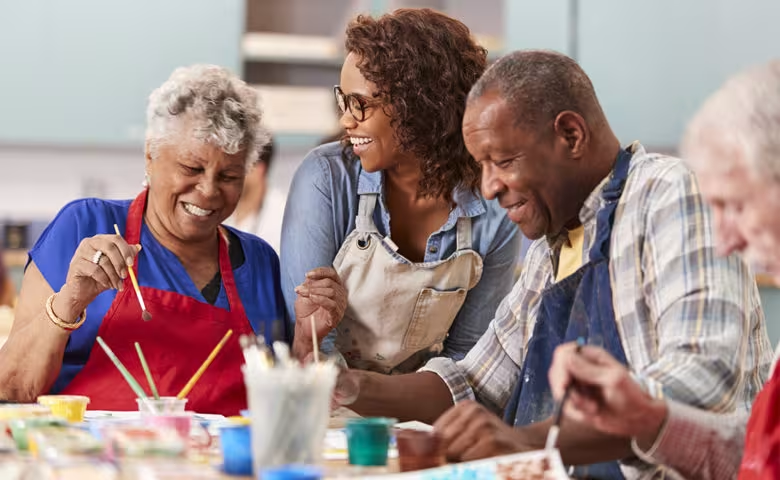
Discover a wealth of information, inspiration, and resources for stroke recovery through our online Ask an Expert sessions. Our experts offer timely and relevant topics tailored to stroke survivors and caregivers. Join us in these interactive sessions, where you can bring your curiosity and questions to deepen your knowledge and understanding of stroke recovery.
For stroke survivors, caregivers, healthcare professionals, members of community-based organizations — all are welcome.
10:00 – 11:00 am PT
11:00 am – 12 noon MT
12 noon – 1:00 pm CT
1:00 – 2:00 pm ET
2:00 – 3:00 pm AT
2:30 – 3:30 pm NT
If you’re attending an Ask an Expert session for the first time, then registration is required. You only need to register once to attend all future sessions. Once registered, we’ll email you information about upcoming sessions.
Join a supportive, interactive education group where you can learn about stroke and how to manage daily life after having a stroke. You'll also learn how to set meaningful recovery goals, explore new resources, and connect with others who truly understand. Participants meet once a week for 10 weeks, with each online session running for two hours. The program offers a unique co-facilitation model, which has a member of the After Stroke team working alongside someone with living experience of stroke.
Build confidence in managing life after stroke through guided learning and practice. Focus on health and well-being, including secondary stroke prevention, emotional resilience, and lifestyle strategies. Learn practical skills and access tools on topics that support recovery and independence. Form lasting connections in a safe and welcoming group setting for stroke survivors.
To learn more, please contact your After Stroke Community Stroke Navigator or call our stroke support line at 1-888-540-6666.
Living Life to the Full is an engaging, nine-session online program designed to help participants gain practical tools to feel more confident, reduce stress, and improve overall wellbeing.
The program is built on a simple, powerful idea: what we think, feel, do, and experience are all deeply connected. When one area feels off, it can affect the others. But the good news is that making a positive change in one area can help improve the rest.
Since navigating life after a stroke is complex for both survivors and caregivers, we offer two tailored programs: one specifically for stroke survivors and another for caregivers.
To learn more, please contact your After Stroke Community Stroke Navigator or call our stroke support line at 1-888-540-6666.
Services
Exercise and Movement
Improve your mobility, coordination, and strength right from the comfort of your own home.
Targeted exercise routines tailored to your mobility level
Specialized techniques to rebuild coordination in affected areas
Chair-based fitness habits that safely improve balance
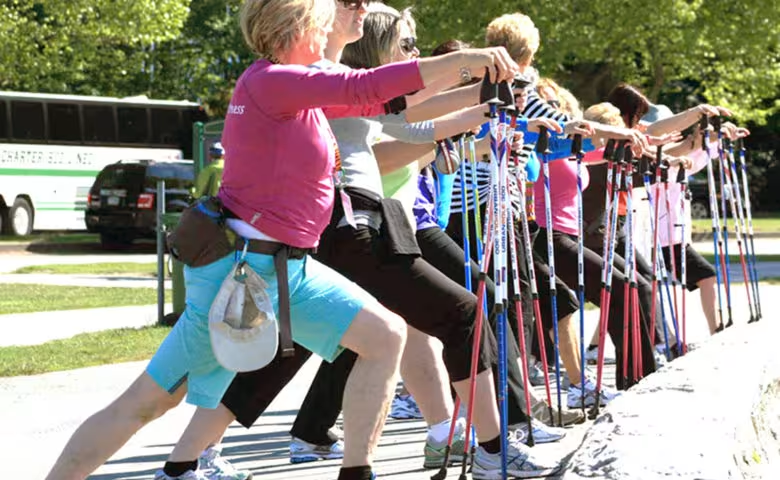
Have you lost arm and/or hand function after a stroke or brain injury? If so, our Graded Repetitive Arm Supplementary Program (GRASP) may be what you’re looking for.
The 10-week online program is designed to improve arm and hand strength, coordination, and the ability to use the stroke-affected arm in daily activities. If you’re interested in participating, you’ll go through a screening process to make sure the program is the best choice for you, based on the amount of movement you have in your affected hand and arm.
By participating in GRASP, you can experience a range of benefits, including
Improved strength and coordination in your affected arm and hand.
Enhanced ability to perform daily activities.
Increased independence and confidence in your physical abilities.
Personalized exercises tailored to your individual needs and abilities.
Support from trained professionals and a community of individuals with similar experiences.
This is a homework-based program; each participant is responsible for doing the exercises daily.
For more information about the program, please email afterstroke@marchofdimes.ca or call 1-888-540-6666.
Looking to improve your mobility, strength, and overall well-being from the comfort of your own home? Join our Virtual Exercise program! Based on the information contained in the Stroke Recovery in Motion Toolkit (SRIM), we have created three levels of exercise classes that build on each other. All levels are chair based with the most advanced level doing some standing balance work.
Level One: Foundations is for people who are primarily using a wheelchair for mobility. They may or may not have good in function in both arms.
Level Two: Functional is an intermediate level and is for those who are looking to build on their current exercise routine. They may use a wheelchair or walker for mobility and may have some use in their affected side arm and hand and want to work on strengthening it further.
Level Three: Focus is the most advanced level and is for those who have exercised regularly but want to focus on strength, coordination, and balance.
All levels consist of a mindfulness activity, followed by a warmup, core activities, short aerobic component, and a cool down. We encourage you to join us and work on building a stronger, more confident you!
Date and timing of classes will be determined based on level of mobility.
Services
Stroke Resources
Browse our library of helpful resources containing videos, education, toolkits, and resource links for people after stroke.

Ask an Expert: The Missing Link to Stroke Recovery – How Neuro-Developmental Optometry Can Help
Ask an Expert Series: Fatigue After Stroke
Ask an Expert Series: Healthy Eating After Stroke
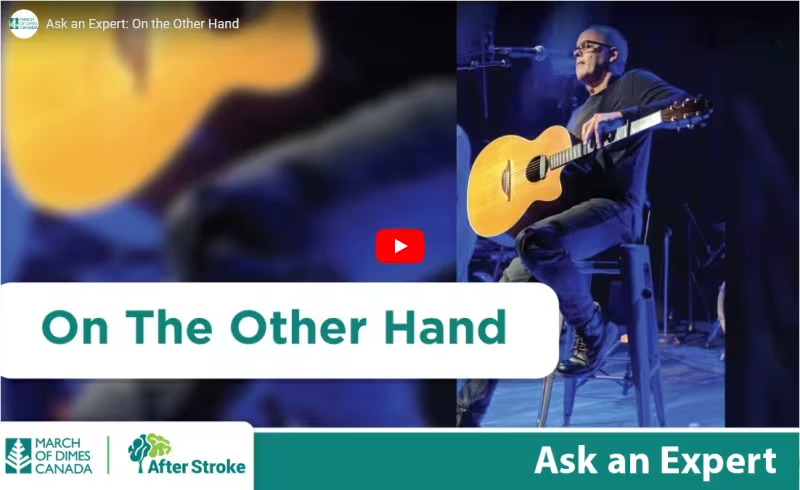
Ask an Expert: On The Other Hand
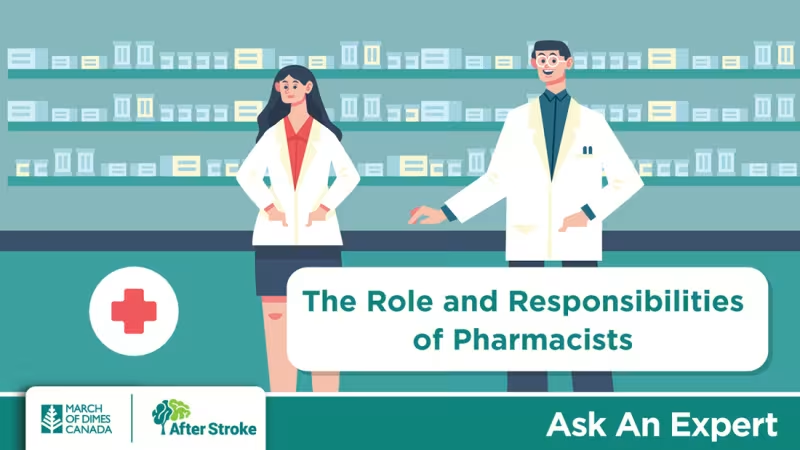
Ask an Expert: The Role and Responsibilities of Pharmacists
Ask an Expert: A Day in the Life of After Stroke Staff
Frequently asked questions
The program is available at no cost to participants.
Anyone who has experienced a stroke can join the program, regardless of age, stroke type, or how long ago the stroke occurred. Family members and caregivers can also enroll for their own dedicated support.
No. While healthcare professionals may refer patients to our program from a hospital or clinic, you or your family can self-refer any time by filling out our online form or calling us directly.
Yes, all our online programs require registration. After you register, one of our team members will send you the login instructions so you can access the online programs you need.
Our online programs are hosted on Zoom. If you need assistance, you can reach out to our SkillingUp Accessible Technology team. A tech coach will answer your questions, get you connected, and help you practice your new skills.
Still have questions?
Get support from our team. Whether you have a quick question about our program or need help figuring out where to start, reach out anytime. We’re here for you.


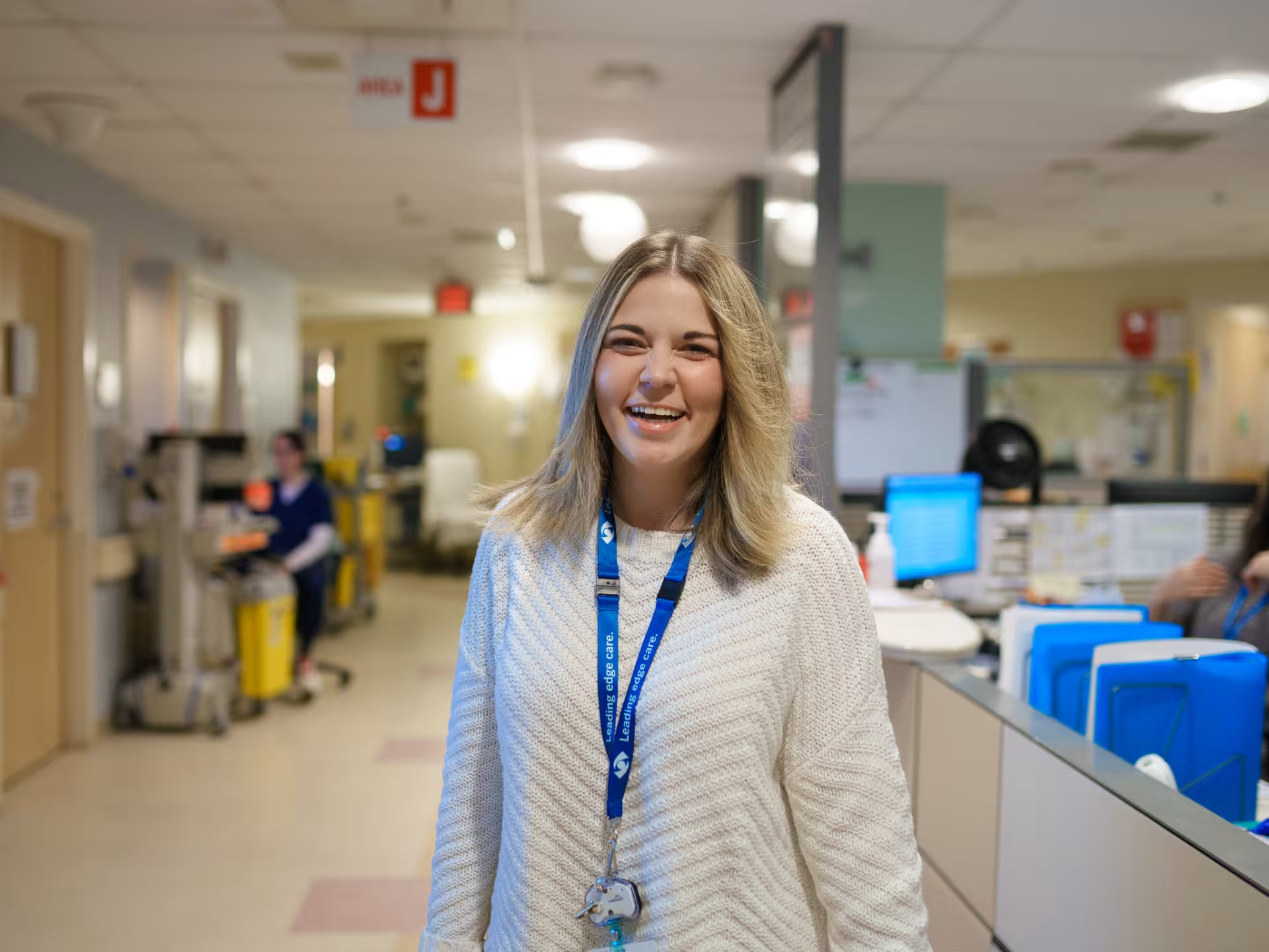
“Community has been central to my progress. I’m grateful for the opportunity to help create that same sense of belonging and hope for others.”
Emily Williams
Stroke survivor and After Stroke volunteer
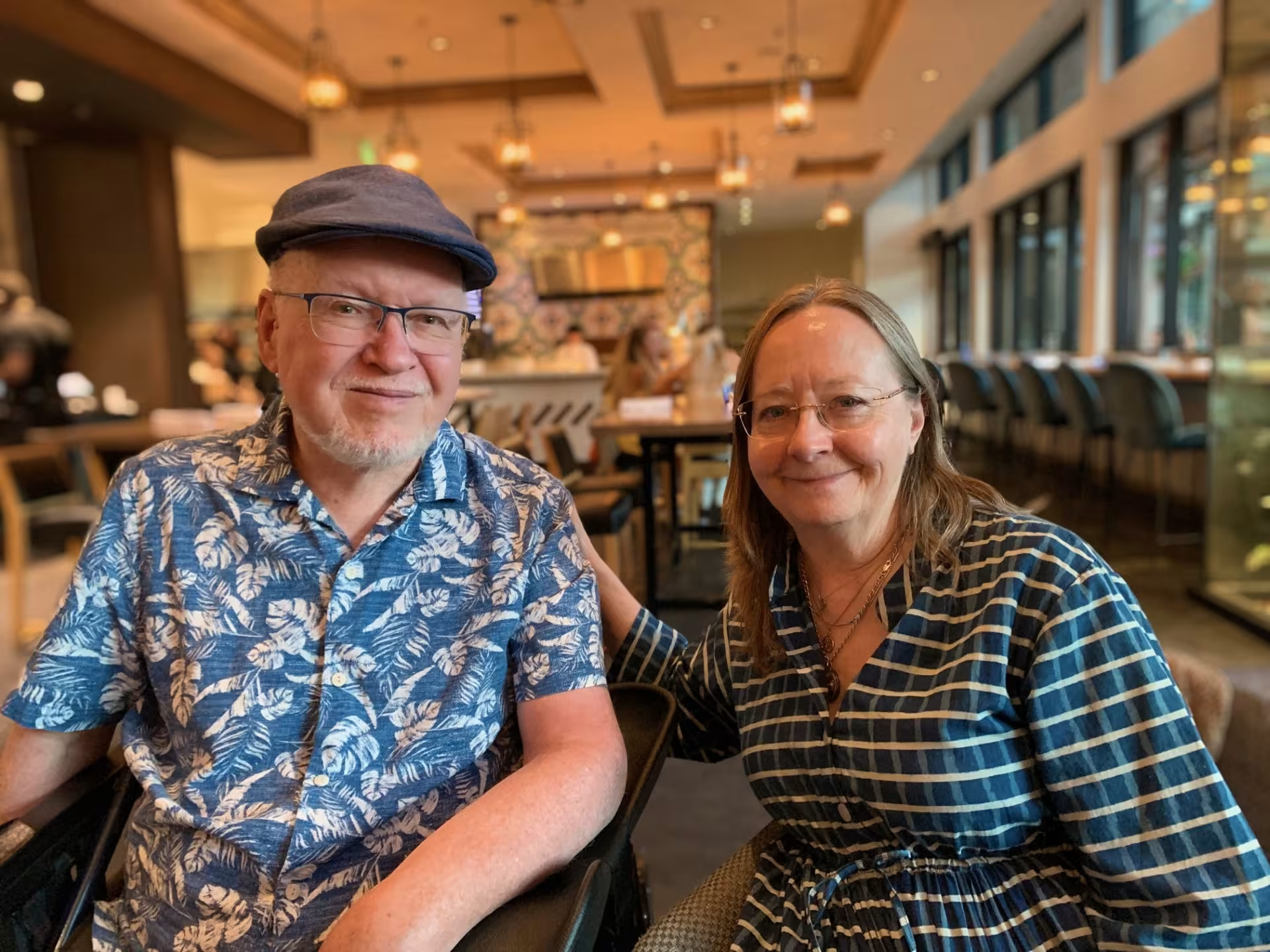
“We have benefited significantly from attending an After Stroke Recovery group. George says our attendance at these meetings is one of the most significant features of his stroke recovery. The group provides ongoing education about stroke recovery and emotional support.”
George and Judith Webster
Kelowna, BC
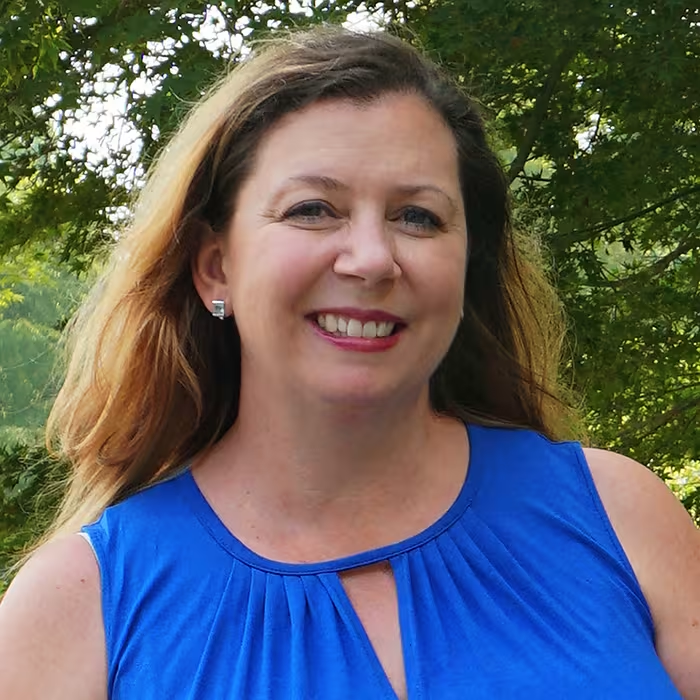
“The need is great”
Angela Wright
Stroke Survivor
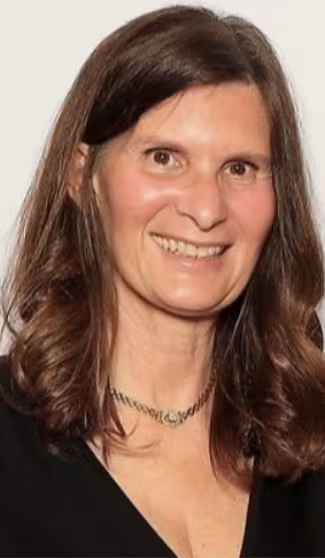
“As a stroke survivor, I know how important a good support system can be in a successful recovery.”
Lara Kaufman
After Stroke Client

“You’re going to hit highs and you’re going to hit lows, and it’s okay. Keep strong, don’t give up!”
Lilli Law
After Stroke Client
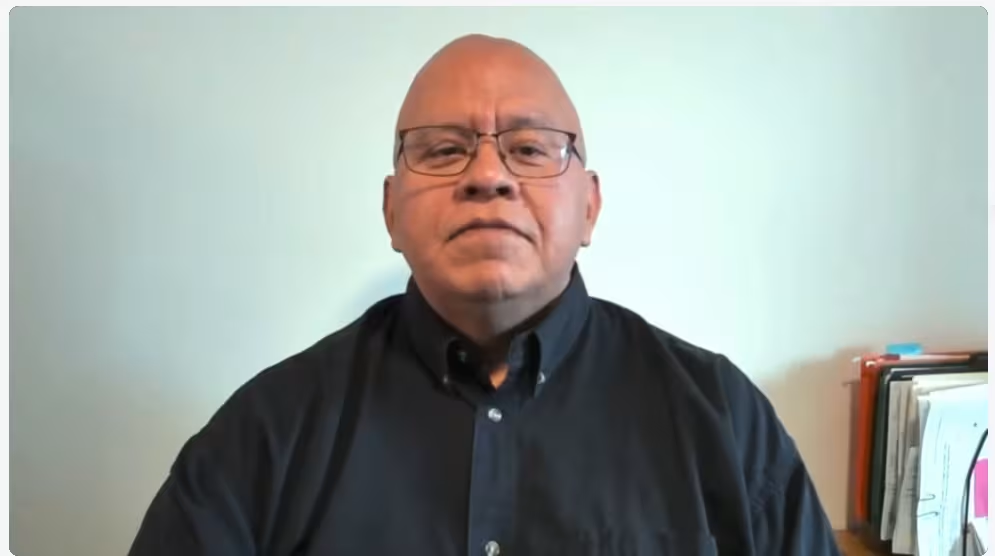
“I could finally see the bigger picture, and that helped me figure out what really mattered in my recovery.”
Mitchell Stewart
After Stroke Client
This program is funded in part by Ontario Health, the Government of Newfoundland and Labrador, and the Government of Prince Edward Island.